• JP Underground Connections

Home and Construction Business Blog: Home Improvement Tips, Project Advice, & Local Construction Information

All JP Underground Connections Service Sewer Line Water Line City Water and Sewer Sinkhole Repair
jp underground water line installers
in Water Line

Trenchless vs. Traditional Methods for Repairing Underground Water Lines

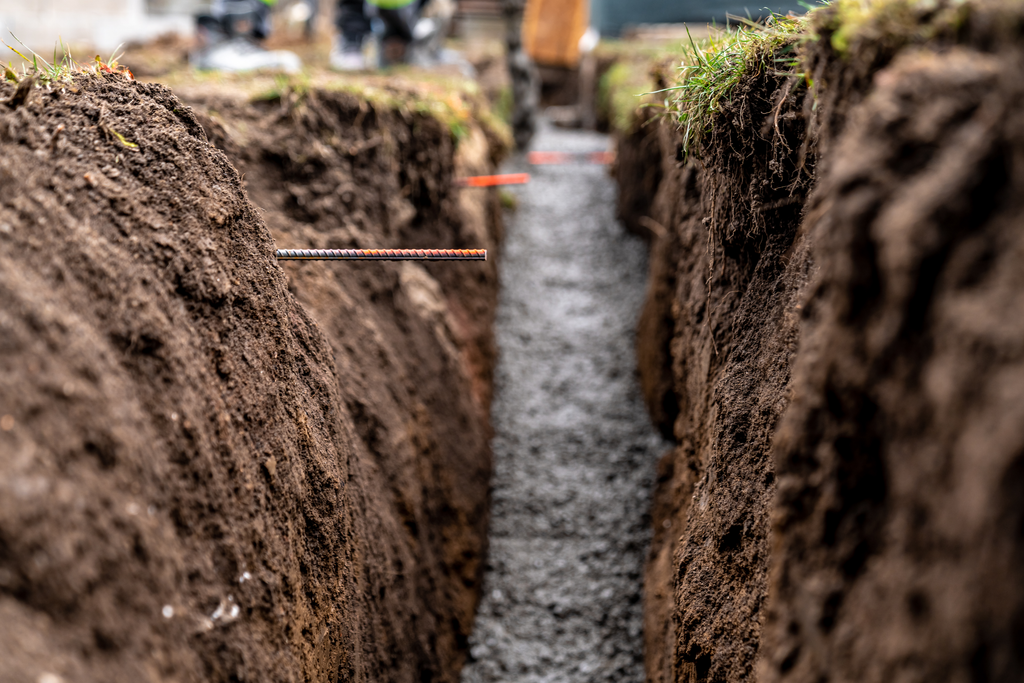
When a failure in a buried water line leaves your Winston-Salem, NC home out of water or service, you may have the option to choose trenchless or traditional water line repair or replacement. Here's how these methods differ. Trenchless vs. Traditional Methods for Repairing Underground Water Lines The Traditional Method Under the traditional dig-and-replace approach, the crew opens up the ground along the full run of the pipe, lifts out the deficient pipe bits, and lays down either a whole new one or a repaired section in the same corridor. Then the trench is backfilled, and the surface is rebuilt. The issue here is that a private service line that runs from your building's foundation toward the public main often crosses a lawn, a walkway, a driveway, and sometimes the public edge of pavement. That means each of those surfaces has to be cut, protected, and later patched and restored. To get this done, you'll need to work with a licensed underground contractor who can handle not just the pipe itself, but also getting the necessary permits, making the road cuts, dealing with traffic control, and pouring asphalt or concrete as well as potentially re-sodding your lawn. Why Do an Open Excavation at All? With those drawbacks, you might wonder why anyone would use this method, but there are definitely reasons to choose it. When the crew must be able to see the pipe, the soil, and any crossing utilities at the same time, this is the only method that works. If you've got a collapsed pipe section or a line that has drifted off its original grade, this can be the only option. Or, if you're dealing with a cluster of gas, electric, and communications lines sitting close to the water pipe, this can be a safer way. Trenchless Excavation This method uses no excavation or only minimal excavation and surface disruption, and it works on water mains as well as on sewers and gas lines. It doesn't interfere as much with traffic, businesses, and homes, and, in most cases, it has a lower overall cost than a comparable open trench. Pipe Bursting With this method, a bursting head is pulled through the old pipe, splitting it and pushing the pieces out into the soil, while a new pipe of the same size or larger is drawn in behind it on the same line. That is different from lining, which leaves the old pipe in place and only coats or sleeves the inside. Horizontal Boring Horizontal boring installs a new pipe through undisturbed soil between an entry point and an exit point, and it is the usual way to work when you have to cross under a road or a driveway without cutting up the surface. At JP Underground Connections, we use road cuts and bores together as needed and use a non-invasive approach when the site allows it. Get Help for Your Winston-Salem, NC Home If you've got a supply line that's leaking, aging, or already failed, contact JP Underground Connections for a site visit. We are based out of Kernersville and typically serve all areas within 45 minutes to an hour.

Read More
JP Underground Connections helps homeowners identify and address sewer line concerns.

Signs Your Sewer Line Is About to Back Up

Signs Your Sewer Line Is About to Back Up Quick answer: A sewer line backup rarely happens without warning. Homeowners typically notice slow drains, gurgling pipes, water backing up into fixtures, or a foul sewer smell before a full backup occurs. Recognizing these signs early allows homeowners in Kernersville, NC to seek help before the problem worsens. JP Underground Connections helps homeowners identify and address sewer line concerns. Sewer line issues rarely appear out of nowhere. In most cases, a home's plumbing system provides small clues before a full backup develops. Slow drainage, unusual sounds, or a persistent foul sewer smell can all point toward a developing problem beneath the surface. For homeowners in Kernersville, NC, paying attention to these early indicators can make a real difference. Catching a problem while it's still minor is far easier to manage than dealing with a sewer line backup that's already affecting the whole home. JP Underground Connections works with local homeowners to help identify sewer line concerns and provide solutions based on what's actually happening underground. This guide walks through the warning signs to watch for, what typically causes them, and when it may be time to reach out for professional help. Why Sewer Line Backups Often Show Warning Signs First Sewer line problems usually develop gradually rather than appearing all at once. A blockage might start small, a section of pipe might shift slightly, or drainage might slow just a little at first. Over time, these small issues can grow into something much more disruptive. Common underlying causes include: Partial blockages that restrict wastewater flow Pipe damage from age, ground movement, or wear Drainage issues affecting one or multiple fixtures Because these problems tend to build over time, homeowners often notice changes in how their plumbing performs before a backup fully develops. One of the more common early indicators is the sound of gurgling pipes, which can occur when air becomes trapped due to a developing blockage. Paying attention to these shifts in performance can help homeowners determine when it might be time to have the system evaluated. Common Signs Your Sewer Line May Be Backing Up Several warning signs tend to show up before a sewer line backup becomes a bigger issue. Homeowners should keep an eye out for: Slow drains throughout the home, not just in one bathroom or sink Water backing up into sinks, tubs, or other fixtures during normal use Unusual toilet behavior, such as bubbling or slow flushing Recurring drainage problems that seem to resolve temporarily, then return Strange sounds, including gurgling pipes, coming from drains or toilets A foul sewer smell inside or around the home Any one of these signs on its own might not seem urgent. But when a homeowner notices several occurring together, it's often a sign that the sewer line needs attention. What Causes Sewer Line Problems? Understanding what leads to sewer line issues can help homeowners recognize why these warning signs appear in the first place. Common causes include: Tree root intrusion: Roots can grow into small cracks or joints in aging pipes, gradually restricting flow. Blockages: Grease, debris, and other buildup can accumulate over time and slow wastewater flow. Aging pipes: Older sewer lines are more prone to wear, cracking, and collapse. Pipe damage: Shifting soil, heavy equipment, or nearby construction can damage underground lines. Ground movement: Settling soil can shift or misalign pipe sections, affecting drainage. Identifying the specific cause behind a backup is an important step in determining the right solution. This is where a professional evaluation becomes valuable, since the same symptoms, like gurgling pipes or slow drains, can point to different underlying issues depending on the property. Why You Should Not Ignore a Foul Sewer Smell or Strange Sounds It's easy to dismiss an occasional odd smell or sound in an older home. But a foul sewer smell and unusual plumbing noises are often the plumbing system's way of signaling that something isn't working the way it should. A foul sewer smell may indicate that wastewater isn't flowing properly through the sewer line. Strange sounds, particularly gurgling pipes, often point to trapped air caused by a partial blockage or drainage restriction somewhere in the system. Ignoring these signs doesn't make the underlying issue go away. In many cases, a minor problem left unaddressed can develop into a more serious backup, affecting multiple fixtures throughout the home. Addressing these signs early tends to be far more manageable than waiting until the issue becomes severe. How JP Underground Connections Helps With Sewer Line Concerns JP Underground Connections provides underground utility and sewer line solutions for homeowners throughout Kernersville, NC. When homeowners notice signs like gurgling pipes, slow drains, or persistent odors, the team can help identify what's happening beneath the surface and outline the available options. JP Underground Connections' services include sewer system installation and repair, along with broader underground utility solutions tailored to each property's needs. Rather than guessing at the cause of a backup, homeowners can work with a team that helps pinpoint the issue and explains what solutions may apply to their specific situation. Schedule Sewer Line Service in Kernersville, NC Sewer line backups don't happen without warning. Slow drains, a foul sewer smell, or gurgling pipes are all signs worth paying attention to before the problem grows into something bigger. Addressing these signs early can help homeowners avoid a more disruptive backup down the road. If you've noticed any of these warning signs at your Kernersville home, it may be time to have your sewer line evaluated. Contact JP Underground Connections to discuss what you're experiencing and learn more about the solutions available for your property. Frequently Asked Questions About Sewer Line Backups What are the first signs of a sewer line backup? Early signs of a sewer line backup often include slow drains, water backing up into sinks or tubs, unusual toilet behavior, strange plumbing sounds, and a foul sewer smell inside or around the home. Why do I hear gurgling pipes in my home? Gurgling pipes often occur when air becomes trapped in the plumbing system due to a partial blockage or drainage issue in the sewer line. This sound is worth paying attention to, especially if it happens regularly. What does a foul sewer smell mean? A foul sewer smell may indicate that wastewater isn't flowing properly through the sewer line. It can point to a blockage, drainage issue, or other sewer line problem that should be evaluated.
Hooking Up to City Water and Sewer Systems in North Carolina

A Homeowner's Guide to Hooking Up to City Water and Sewer Systems

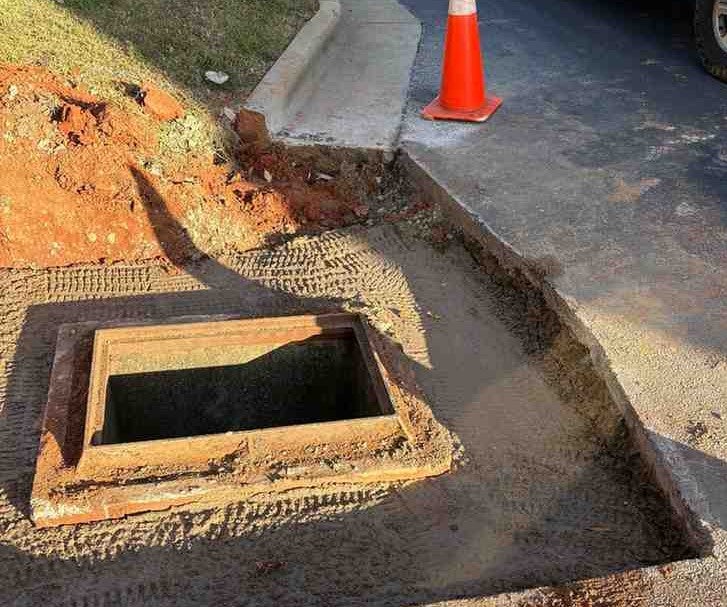
If you've just bought some property in High Point, NC and need city service, there's permits, fees, and field work that need to be done to get your new water and sewer tap installation done right. New Water and Sewer Tap Installation in High Point, NC Checking Eligibility The first step is to find out if a public main already runs past your lot. Public Services can check on the city's mapping system, and if the lines sit close enough, you can then apply to connect. If they do not, you can wait on an extension, get up a neighborhood petition signed by more than half the street, or send a letter of public necessity from the county health department. Work to the Curb For an ordinary single-family dwelling, Public Services will install the connection from the main to the back of the curb, set the meter box, and afterward restore the pavement it disturbs. A duplex, however, counts as a commercial building, and commercial and industrial customers must hire a licensed North Carolina utility contractor to do the work. The fees for Public Service work depend on what work you're having done. A residential water tap of five-eighths inch or one inch costs $1,610. A four-inch sewer tap costs $2,080. Extra trench work, clean-outs, and frontage charges cause other fees, and those fees scale with meter size. Getting Pipes to Your House You must furnish and lay the pipe from your property line nearest the main to your actual house, and you are responsible for keeping that private run in repair. Public utilities contractors who build house sewer lines have to put in a clean-out at or near the property line, brought to finished grade, as an extension of the public sewer. Water service lines must end at a valve, box, or meter where the building's piping can join. Water piped from the meter to the house and sewer pipe from the clean-out to the house are private. When a leak or a blockage appears on your side of those points, the repair falls to you to take care of. Call 811 Before any work can get done, an excavator must notify North Carolina 811. They'll send locators to paint or flag any utility lines. Striking a gas, electric, or communications line can injure people and leave you paying for the damage. Plumbing and Inspection On the house side of the meter and the clean-out, you'll need a licensed plumber to complete the last run of pipe, take a well out of service if one is being abandoned, and retire a septic tank if you'll no longer be using it. After the tap is in and the private lines are joined, inspectors will need to look at the grade, bedding, joints, clean-out, and the meter setting before you can start using water. A lot goes into these connections, and we can take care of all of it for you. Call us now at JP Underground Connections LLC at 336-223-3615 to request service and speak to the top underground contracting services in the area. We are based out of Kernersville and serve nearly every area within a 45-minute drive.

Water Main Leak Repair in Forsyth County

Immediate Steps to Take When You Discover a Water Line Leak

Few things induce panic like a sudden leak in the house, especially of the main line. The best way to protect your Thomasville, NC home is to know in advance what steps to take while you wait for emergency water line repair to arrive. What to Do When There's a Leak Stop the Main Water Supply The moment you spot signs of a water line leak, you have to stop the flow. This means shutting off the main water shutoff valve right away, and that's not something you want to be hunting for when water is pouring into your home. Take time now to find that valve. In most homes this valve sits where the supply line enters the house; usually in a basement, garage, utility closet, or along an exterior wall facing the street. It may even be outdoors near a hose bib or buried near the meter at the street, though that's less common. Turn the handle clockwise until it stops completely. Ball valves with a lever handle need only a quarter turn perpendicular to the pipe; older gate valves take several full rotations. Once the main is closed, open a faucet on the lowest level of the house and flush a toilet once. This gets rid of the remaining water in your lines quickly. Protect Everyone If water is already pooling near outlets, appliances, or the breaker panel, you must get the power off. Water conducts current far better than dry air, so standing in even a shallow puddle while touching a live circuit could be deadly. Do not step into a wet area to reach the panel if the floor is already flooded. If you can safely reach the main breaker from dry ground, shut off power to the affected rooms and leave the power off until a qualified electrician confirms it is safe. If there's no way to get to the breaker panel, evacuate the house. Call for Emergency Water Line Repair As soon as the main flood has been stopped and everyone is safe, call us at 336-223-3615. We offer 24/7 emergency service. Contain the Water Once help is on the way and the water and electricity situations are controlled, try to contain the water that has already escaped, if you can. Grab towels, mops, buckets, and a wet/dry vacuum if you have one. Place buckets under any active drips and move rugs, furniture legs, electronics, and important papers out of the path of the flood. For wooden furniture, slip some plastic containers or aluminum foil under the legs to prevent staining. The longer standing water sits, the more it soaks into flooring, drywall, and insulation. If it's safe to do so with the electricity situation, set up fans to help get things dried out. Take Pictures for Insurance Before you start any heavy cleanup you'll want to get some clear photos and short videos of the wet areas, the location of the leak, and any damaged belongings. Your insurance claim will move faster if you have dated, visual evidence of the original condition of your home to compare this to, and that's something you can do now. Get Help for Your Thomasville, NC Home For all your plumbing needs, contact JP Underground Connections in Kernersville, NC. We work in Thomasville and any area within 45 minutes of Kernsville.

sewer line repair in North Carolina

Signs of a Sewer Line Problem in Kernersville, NC

When a sewer line begins to fail, the warning signs usually show up inside the home before anything is visible underground. In Kernersville, NC—where a mix of older neighborhoods and newer construction means a variety of piping conditions—these issues are more common than most homeowners expect. Catching them early can help prevent major damage and costly excavation. Slow Drains Throughout the Home One of the earliest signs of a sewer line problem is slow drainage in multiple fixtures. If sinks, tubs, and showers are all draining slowly at the same time, the issue is likely deeper in the main sewer line rather than a simple clog in one drain. Sewage Odors Inside or Outside the Property Unpleasant sewer smells coming from drains, bathrooms, or the yard often indicate a cracked or leaking sewer line. A properly sealed system should contain all waste and odors. If smells become noticeable, especially after running water, it’s a warning sign something is wrong underground. Frequent Toilet Backups Recurring toilet backups are a strong indicator of a blockage or damage in the main sewer line. If plunging only provides temporary relief or does not solve the issue at all, the problem is likely beyond the toilet and located in the sewer system itself. Gurgling or Bubbling Sounds From Drains Strange gurgling noises from toilets, sinks, or showers often mean air is trapped in the plumbing system. This typically happens when a blockage or damaged pipe disrupts normal flow through the sewer line. Soggy or Extra-Green Patches in the Yard Outside the home, wet or unusually lush green spots in the yard can signal a leaking sewer line underground. In Kernersville—especially in established, tree-lined areas near downtown—tree root intrusion is a common cause of underground pipe damage. Kernersville’s seasonal rain and shifting soil conditions can also put added stress on aging sewer lines, making small issues worse over time. Get Help with Your Sewer Line Contact JP Underground Connections, we diagnose sewer line problems using targeted inspection methods to pinpoint the exact cause. Whether it’s root intrusion, pipe collapse, or a blockage, we identify the issue and provide a clear repair plan before any digging begins. From minor sewer repairs to full line replacement, we handle the problem from start to finish so homeowners don’t have to deal with repeated backups or guesswork.

Sinkhole repair in North Carolina

What Is a Sinkhole? Understanding and Fixing Sinkholes in Forsyth County

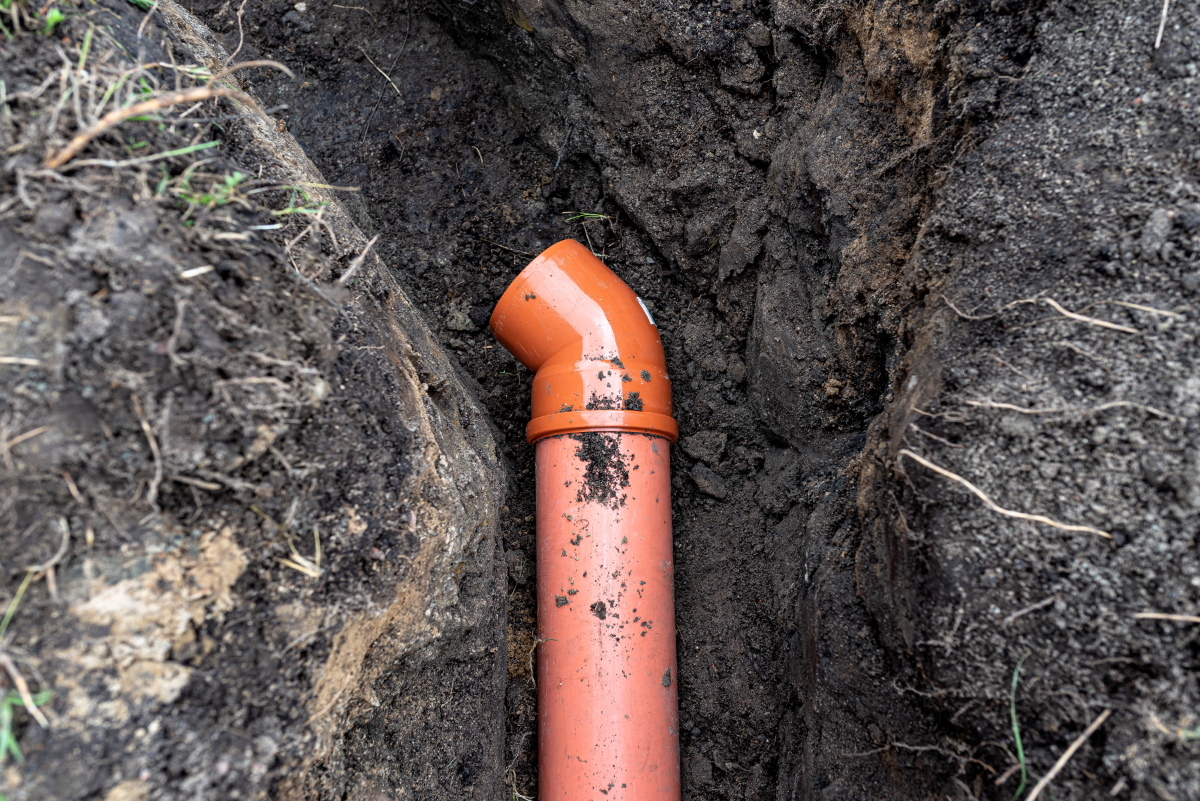
Sinkholes are depressions or holes that form in the ground when soil, rock, or other underground material collapses. They can appear gradually or suddenly, creating hazards for homeowners, businesses, and public property. In Forsyth County, the combination of clay-heavy soils, underground water flow, and aging utility infrastructure makes certain properties more prone to sinkhole formation. Causes of Sinkholes Sinkholes often develop when water slowly erodes the soil beneath the surface, creating voids that eventually give way. In Forsyth County, common causes include: Leaking underground water lines or sewer pipes Improper drainage or irrigation systems Soil erosion from heavy rain or stormwater runoff Decomposition of organic material underground Shifting or poorly compacted soil after construction Old septic systems failing over time Understanding the cause is critical because surface repairs alone will not prevent future collapses. The underlying soil and utility issues must be addressed to fully stabilize the property. How Deep Can Sinkholes Be? Sinkholes can vary widely in depth and size. Some are only a few inches deep, while others can extend several feet underground. The depth is often influenced by soil type, underlying rock structure, and the amount of erosion caused by water. In Forsyth County, some residential sinkholes reach depths of 6 to 10 feet, particularly in older neighborhoods or areas with water line failures. How Professional Sinkhole Repair Works Repairing a sinkhole requires addressing the root cause, not just filling the surface. JP Underground in Forsyth County specializes in comprehensive sinkhole repair solutions. Their process typically involves: Inspection and Evaluation – Assessing the affected area to identify voids, drainage issues, and any damaged underground utilities. Excavation and Utility Repair – Fixing broken water lines, sewer pipes, or drainage systems that contributed to the collapse. Soil Stabilization – Filling and compacting the void with engineered materials to prevent future sinking. Surface Restoration – Replacing turf, concrete, or pavement to return the property to its original condition. By addressing both the surface and the subsurface issues, JP Underground ensures that sinkholes are fully stabilized, reducing the risk of recurrence. Why JP Underground Is the Best Choice in Forsyth County JP Underground brings years of experience and specialized equipment to sinkhole repair. Their team understands the unique soil and drainage conditions in Forsyth County and can handle both residential and commercial sinkhole issues. Customers rely on their expertise for durable, safe, and code-compliant repairs that protect property and provide peace of mind. Schedule Your Sinkhole Repair If you notice depressions, soft spots, cracks, or unusual pooling in your yard or commercial property in Forsyth County, don’t wait. Contact JP Underground for professional sinkhole repair services. They provide thorough inspections, effective repairs, and long-term solutions to keep your property safe and stable. Contact JP Underground Connections today to schedule an inspection or request an estimate for sinkhole repair services.

Contact Us

Fill out this form below and we'll contact you shortly
*Required Fields